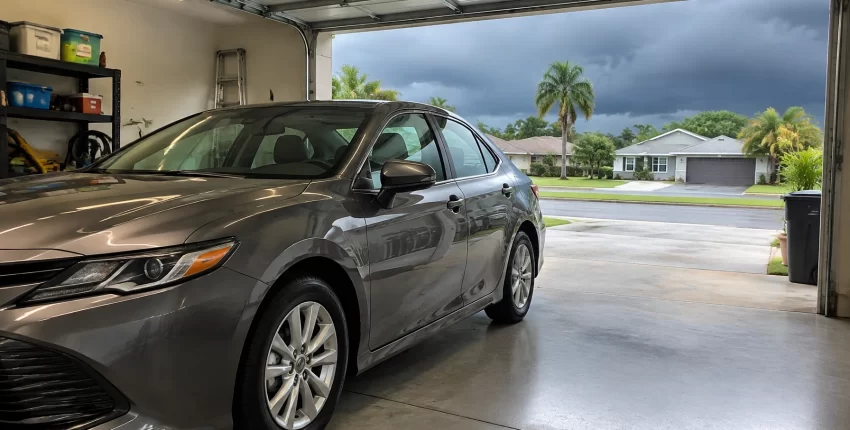
Hurricane season preparation usually starts with your home, but your vehicle deserves attention, too. A reliable car can make it easier to handle an evacuation, navigate heavy rain, or get around safely after a storm. More importantly, checking your vehicle before severe weather gives you peace of mind when roads are busy and repair shops may be in high demand.
Orlando’s heat, humidity, intense rain, and occasional standing water can put extra stress on your vehicle. A proactive inspection is also usually far less expensive than dealing with preventable overheating, tire failure, brake problems, or flood-related damage later.
Use this eight-point checklist to prepare your vehicle before the next storm.
1. Test the battery and charging system
Your battery supplies the electrical power needed to start the engine and operate essential systems. The alternator, meanwhile, recharges the battery while you drive. Together, they form the vehicle’s charging system.
A weak battery may work normally during everyday driving but fail when you need dependable transportation most. Long periods of idling in evacuation traffic, repeated starts, and heavy use of lights, wipers, and climate controls can add even more demand.
Before a storm:
- Check the battery’s age and condition.
- Look for corrosion around the terminals.
- Have the battery professionally tested if starting has become slower.
- Confirm that the alternator is charging properly.
- Make sure the battery is securely mounted.
If your battery is several years old or the test results are marginal, replacing it before storm conditions arrive can be a wise investment. A charging-system inspection can also identify an alternator or belt problem before it affects your ability to drive.
2. Inspect tires, tread depth, and the spare
Good tires help your vehicle maintain traction on wet Orlando roads. Worn tread has less ability to channel water away from the tire, which can increase the risk of hydroplaning during heavy rain.
Check all four tires for:
- Low or uneven tread
- Cracks, bulges, or punctures
- Uneven wear along the edges
- Correct inflation pressure
- A working tire-pressure monitoring system
Do not forget the spare tire. Confirm that it is inflated, accessible, and accompanied by a usable jack and lug wrench. Storm debris can create unexpected tire hazards, so having a serviceable spare can provide valuable peace of mind.
If your tires are wearing unevenly, the problem may involve alignment or suspension components rather than the tires alone. A tire inspection and rotation can help identify issues before they become more expensive.
3. Replace worn wiper blades and check visibility
Heavy rain can arrive quickly in Central Florida. Wiper blades that streak, skip, chatter, or leave blurry areas on the windshield can make it difficult to see lane markings, traffic, and debris.
Replace the blades if the rubber is cracked, hardened, or no longer making full contact with the glass. Also check:
- Windshield washer fluid level
- Washer spray pattern
- Headlights and brake lights
- Turn signals and hazard lights
- Windshield condition
Use a washer fluid designed for automotive glass rather than plain water. Keeping the windshield clean inside and out is equally important because humidity can create fog and glare.
Clear visibility is not a cosmetic concern. It is an important part of safe driving when rain, spray, and low-light conditions occur at the same time.

4. Have the brakes inspected
Wet roads can increase stopping distances, making dependable brakes especially important during heavy traffic or sudden slowdowns. A storm-prep brake inspection should look beyond pad thickness.
A technician can check the:
- Brake pads and rotors
- Brake fluid level and condition
- Calipers and brake hardware
- Parking brake
- Anti-lock braking system
- Brake pedal feel
Pay attention to warning signs such as squealing, grinding, vibration, pulling to one side, or a soft pedal. These symptoms should not be ignored simply because the brakes still seem to work.
Addressing a developing brake problem before hurricane conditions is safer and often more affordable than waiting until additional components are damaged. Orlando Auto Repair provides brake repair and inspections for drivers who want a clear understanding of what their vehicle needs.
5. Check coolant and the cooling system
Coolant is the fluid that helps carry heat away from the engine. It becomes especially important when Orlando’s temperatures remain high and traffic moves slowly.
Evacuation traffic can require your vehicle to idle for long periods. A weak cooling system may struggle under those conditions, increasing the risk of overheating.
Before a storm, have the following checked:
- Coolant level and condition
- Radiator and radiator cap
- Cooling fans
- Thermostat
- Water pump
- Radiator and heater hoses
- Signs of leaks under the vehicle
Never remove a radiator cap while the engine is hot. If the temperature gauge rises or a temperature warning appears, pull over safely and allow the vehicle to cool. Continuing to drive an overheating vehicle can turn a relatively small cooling-system repair into major engine damage.
6. Top off essential fluids
Fluids support the systems that keep your vehicle moving, stopping, cooling, and operating comfortably. Before severe weather, check the level and condition of the fluids recommended for your vehicle.
These may include:
- Engine oil
- Transmission fluid
- Brake fluid
- Power steering fluid, where applicable
- Coolant
- Windshield washer fluid
If your oil change is due soon, consider completing it before the storm rather than postponing service. Engine oil is often called the lifeblood of the engine because it reduces friction and carries heat away from internal components.
Do not rely on color alone to determine whether a fluid needs service. Fluid specifications and maintenance intervals vary by vehicle. A professional inspection can confirm what is due and help prevent unnecessary replacements.
7. Inspect belts, hoses, and underhood components
Belts and hoses may seem simple, but they perform critical jobs. A serpentine belt can drive the alternator, water pump, power steering system, and air-conditioning compressor, depending on the vehicle. A failed belt or cooling hose can quickly affect several systems at once.
Look for:
- Cracks or fraying on drive belts
- Shiny or glazed belt surfaces
- Bulges or soft spots in hoses
- Coolant residue
- Oil leaks
- Loose clamps
- Unusual squealing or chirping
Florida’s heat and humidity can accelerate deterioration in rubber components. If a belt or hose is already showing signs of age, replacing it before storm-related travel is a proactive way to protect your vehicle’s reliability.
A full general maintenance service can combine fluid checks, belt and hose inspections, battery testing, and other routine items in one visit.
8. Prepare for flood exposure and keep an emergency kit
Mechanical preparation is only part of hurricane readiness. Where and how you park your vehicle can significantly affect the risk of damage.
When possible, park in a garage or on higher ground away from known drainage areas. Secure loose objects around the vehicle, close all windows and the sunroof, and keep important documents in a waterproof container.
Most importantly, never drive through standing or moving floodwater. Water can hide potholes, debris, and damaged pavement. It can also enter the engine, transmission, wheel bearings, electrical components, and interior.
If your vehicle has been exposed to significant floodwater:
- Do not attempt to restart it if water may have entered the engine.
- Have it towed for a professional inspection.
- Tell the technician how high the water reached.
- Avoid assuming the vehicle is safe simply because it starts.
Keep an emergency kit in the vehicle with items such as:
- Flashlight and extra batteries
- First-aid supplies
- Jumper cables or a portable jump starter
- Tire repair supplies
- Basic tools and work gloves
- Phone charger and power bank
- Bottled water and nonperishable snacks
- Rain gear and blankets
- Printed insurance and registration information
- Emergency cash
For official storm updates and evacuation information, monitor the National Hurricane Center and local emergency-management guidance.
Schedule your Orlando car maintenance before the storm arrives
A pre-storm inspection is a practical investment in safety, reliability, and peace of mind. Finding a weak battery, worn tires, low coolant, or damaged hose early is generally much more manageable than dealing with a breakdown or flood-related damage after severe weather.
Orlando Auto Repair offers comprehensive car maintenance in Orlando and diagnostics for all makes and models. Our ASE-Certified Master Technicians hold A1-A8 certifications and bring more than 30 years of combined experience to vehicle inspections and repairs. We provide transparent pricing with no hidden fees, and eligible parts and labor are backed by a NAPA-backed 24-month/24,000-mile warranty.
If you are looking for dependable car repair in Orlando or a trusted mechanic in Orlando, FL, schedule your inspection before the next storm. Book online or contact Orlando Auto Repair to get your vehicle ready with confidence.