

Your vehicle’s brakes are one of its most important safety features. When something feels off, it’s easy to brush aside minor quirks and hope they resolve on their own. But ignoring potential brake problems could put you and others on the road at risk. If you’ve been hearing odd noises or experiencing strange responses when you press the brake pedal, it might be time to consider a brake service right away.
Let’s explore the top five signs that your vehicle may be in urgent need of professional attention. We’ll talk about how to spot warning signals, why they matter, and when to enlist the help of experts for a thorough checkup. By the end, you’ll know exactly when to schedule a proper brake inspection
1. Squealing, Squeaking, or Grinding Noises
One of the most common early warnings that your brakes need attention is an unusual sound, particularly a high-pitched squeal or squeak. Modern brake pads often include a wear indicator a small metal tab that starts making noise when the pads have worn down to a certain level. That telltale squeak is more than just an annoyance; it’s your car’s way of saying it’s time for new brake pads.
If you hear a grinding or growling noise instead, that’s an even more urgent red flag. Grinding typically means your brake pads have worn away completely, allowing the caliper and rotor to scrape against each other. This metal-on-metal contact damages both parts and can seriously compromise your car’s braking ability. In such cases, immediate action is crucial to avoid costly rotor damage and ensure you don’t put your safety in jeopardy. If you notice these noises, don’t brush them off. Schedule a professional inspection as soon as possible.
2. Vibration or Pulsation in the Brake Pedal
Feeling a pulsation or vibration through the brake pedal is another clear signal that something isn’t quite right. This phenomenon often points to warped rotors. Rotors are the large discs your brake pads press against to create friction and slow down your car. Over time, heat generated during braking can cause these discs to warp, creating an uneven surface. Repeated hard braking or riding your brakes down a long descent can overheat the rotors.
While a slight vibration might not feel urgent, it can worsen over time. It’s important to address this issue to prevent further damage to your braking system. Warped rotors can reduce braking efficiency and lead to premature wear of your brake pads. Catching it early helps you avoid bigger problems down the line.
3. Soft or Spongy Brake Pedal
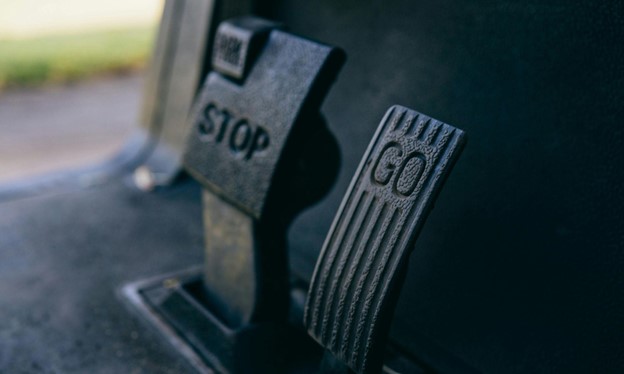
When you press your brake pedal, does it feel like it’s sinking to the floor or lacking resistance? A soft or spongy brake pedal is a surefire indication that your braking system needs immediate attention. One possible cause is air trapped in the brake lines, which prevents brake fluid from flowing consistently. Another possibility is a brake fluid leak, which compromises hydraulic pressure in the system.
A spongy pedal puts you at risk because the brakes may not engage as quickly or firmly as they should. Don’t wait for it to worsen. Schedule a thorough brake inspection to pinpoint the exact cause whether it’s air in the lines, a leaking master cylinder, or damaged brake components.
4. Car Pulling to One Side When Braking
Ever notice your vehicle pulling left or right when you press the brake pedal? This pulling sensation is not only inconvenient, but also unsafe. It usually happens when one side of your brakes is working more effectively than the other. The cause could be stuck calipers, uneven brake pad wear, or even problems with tire alignment. Whatever the reason, your car drifting to the side can make it harder to control the vehicle, especially in emergencies or poor weather conditions.
Potential Culprits
– Sticking Caliper: A caliper that doesn’t release properly can apply constant pressure on one wheel.
– Uneven Brake Pads: Pads that wear out at different rates can cause uneven braking forces.
– Hydraulic Issues: Sometimes, brake fluid can become restricted in one line, causing imbalanced pressure.
5. Burning Smell or Brake Warning Light
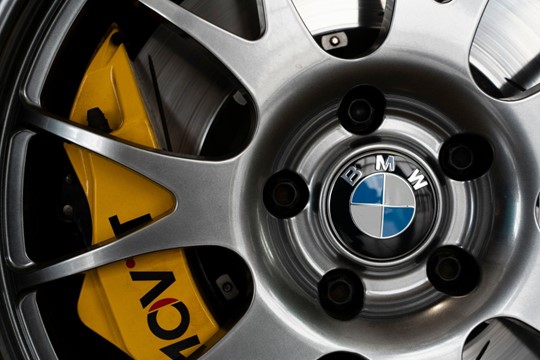
A distinct, acrid smell, often described as burning rubber or chemicals, emerging from your wheels can be a sign that your brakes are overheating. If you notice this after a long drive downhill or in stop-and-go traffic, your braking system may be under excessive strain. Riding the brakes creates excessive friction, which can cause brake fluid to boil and the brake pads or rotors to overheat.
Equally concerning is the appearance of the brake warning light on your dashboard. Modern cars have sensors designed to alert you to potential problems within the brake system, this could be something as simple as worn brake pads, or as severe as a failing master cylinder. If the warning light is accompanied by a burning smell or unusual performance, you need to pull over and let the brakes cool. Afterward, make an appointment for a professional inspection as soon as possible.
Brake Repair at Orlando Auto Repair in Orlando, FL
At Orlando Auto Repair, we’ve serviced over 10,000 vehicles during our 30+ years in the industry, making us one of the most trusted auto repair facilities in the heart of Orlando, Florida. Our commitment to quality is evident in everything we do – from using state-of-the-art diagnostic tools to employing highly skilled technicians who specialize in all makes and models. Whether you need routine brake pad replacements or complex ABS diagnostics, we ensure precision and reliability at every turn so you can drive away with total peace of mind.
If you’re in Orlando and need professional brake repair services, we’re here to help get you back on the road safely. Visit us at Orlando Auto Repair or give us a call to schedule your appointment today. And if you’re looking to upgrade your vehicle, check out our dealership, Orlando Preowned, where we can assist you with buying or selling a car.