The Importance of Regular Oil and Filter Changes for Your Engine
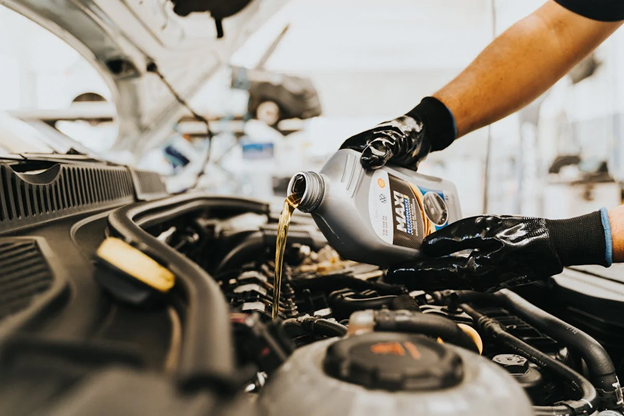
Owning a car comes with responsibilities. One of the most important tasks is changing your engine oil and filter regularly. This simple step keeps your engine running smoothly and prevents damage. It also helps extend your vehicle’s lifespan. Let’s explore why oil and filter changes are essential for your engine’s health and performance.
The Role of Engine Oil and Its Importance
Engine oil is essential for your car. It keeps the engine running smoothly by reducing friction between its moving parts. When the engine runs, it creates heat and movement. Without oil, the metal parts would grind against each other. This causes damage and reduces the engine’s lifespan. Clean oil allows these parts to move easily, preventing wear and tear. Oil also cools the engine. When the engine runs, it produces a lot of heat. The oil absorbs this heat and spreads it out. This keeps the engine temperature steady and prevents overheating. Without enough oil, the engine can become too hot and get damaged.
Another important job of engine oil is cleaning. As the engine works, dirt, metal particles, and debris get into the oil. Clean oil collects these impurities and keeps the engine parts free from buildup. This helps the engine stay efficient and reduces the risk of damage.
Why the Oil Filter is Important
The oil filter works with the oil to keep the engine clean. Its job is to trap dirt, metal particles, and other impurities in the oil. Over time, the filter becomes full and clogged. When this happens, it cannot clean the oil properly. This allows dirty oil to pass through the engine, causing damage. A clogged filter also restricts the flow of oil. This means the engine does not get enough oil to stay lubricated. This can lead to sludge buildup, which blocks the oil pathways and harms the engine parts. Changing the oil filter regularly ensures that the oil stays clean and flows properly. This protects the engine and helps it last longer.
The Risks of Skipping Oil and Filter Changes
If you do not change the oil and filter regularly, it can cause serious problems for your engine. Here are some of the risks:
1. Increased Engine Wear
Oil breaks down over time because of heat and dirt. Old oil becomes less slippery and cannot reduce friction properly. This causes the engine parts to rub against each other. When this happens, the parts wear out quickly. For example, the bearings in the engine need constant lubrication. Without clean oil, these bearings can get damaged, leading to expensive repairs.
2. Overheating
As oil ages, it becomes thick and less effective at cooling the engine. Thick oil cannot flow easily, which makes it harder for the engine to stay cool. This increases the risk of overheating. Overheating can warp engine parts and damage seals, leading to engine failure.
3. Sludge Buildup
When oil collects too much dirt, it turns into sludge. Sludge is thick and sticky and blocks the oil pathways in the engine. This stops oil from reaching important parts, causing uneven wear. If sludge builds up too much, the engine can stop working completely.
4. Lower Fuel Efficiency
Dirty oil increases resistance in the engine. This makes the engine work harder to perform the same tasks. When the engine works harder, it uses more fuel. Regular oil changes reduce friction and help the engine work efficiently, saving fuel. Studies show that clean and high quality oil can improve fuel efficiency.
5. Higher Emissions
Old oil causes incomplete combustion in the engine. This means the engine burns more fuel but produces harmful gases like carbon monoxide and hydrocarbons. These gases harm the environment and can cause your car to fail emissions tests. Clean oil ensures better combustion and lower emissions.
How Often Should You Change Your Oil and Filter?
The frequency of oil and filter changes depends on several factors. These include the type of oil you use, your driving habits, and the age of your car. Here are some general guidelines:
Conventional Oil: Change it every 3,000 to 5,000 miles.
Synthetic Oil: Change it every 7,500 to 10,000 miles.
Driving Conditions: If you often drive in stop-and-go traffic, carry heavy loads, or drive in extreme weather, change the oil more frequently.
Always check your car’s manual for the manufacturer’s recommendations. Many newer cars also have systems that tell you when it is time for an oil change. These systems track your driving and let you know when the oil needs to be replaced.
Signs Your Engine Needs an Oil Change
Even if you follow a regular schedule, your car may show signs that it needs an oil change. Here are some common warning signs:
Dashboard Warning Light: If the oil pressure or check engine light comes on, it may mean the oil level is low or the oil is dirty.
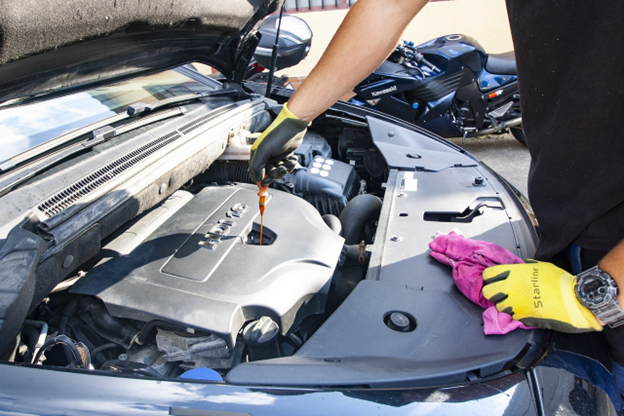
Dirty Oil on the Dipstick: Check the oil using the dipstick. Clean oil is amber and clear. Dirty oil looks dark and gritty.
Unusual Engine Noise: If the engine makes knocking or grinding sounds, it could mean the oil is not providing enough lubrication.
Excess Exhaust Smoke: Blue or gray smoke from the exhaust could mean the engine is burning old oil.
Poor Performance: If your car accelerates slowly or uses more fuel, it might be due to dirty oil or a clogged filter.
If you notice any of these signs, schedule an oil change as soon as possible to avoid further damage.
Benefits of Regular Oil and Filter Changes
Regular oil and filter changes offer many long-term benefits. Here are some of them:
Better Engine Performance
Clean oil reduces friction and allows engine parts to move smoothly. This improves acceleration and makes the car run quieter.
Longer Engine Life
Changing the oil and filter removes harmful dirt and particles. This protects the engine parts from damage and helps the engine last longer.
Fewer Repairs
Old oil can damage expensive engine parts. Regular oil changes prevent this damage, saving you from costly repairs.
Higher Resale Value
A car with a well-maintained engine has a higher resale value. Buyers trust cars that have a history of regular oil and filter changes.
Trust Orlando Auto Repair for Expert Maintenance
Regular oil and filter changes are crucial for keeping your engine in excellent condition and ensuring the longevity of your vehicle. At Orlando Auto Repair, we specialize in providing top-notch maintenance and repair services, backed by over 30 years of experience. Our ASE-certified technicians are committed to delivering transparent, reliable, and professional care for every vehicle we service. Located in the heart of Orlando, Florida, we take pride in being a trusted partner for all your auto repair needs. Contact us or schedule an appointment online. Experience unparalleled service from our highly skilled team. Your car deserves the best, and we’re here to deliver it.

 December 17, 2024